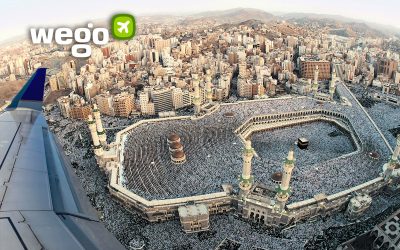

A Hajj permit is mandatory for every pilgrim entering Makkah during the Hajj season. Saudi Arabia enforces this strictly: only official permit holders are allowed in, with fines up to SAR 20,000 and 10-year entry bans for violators. Makkah entry is restricted and Umrah permits pause each year in the weeks before Hajj, then both reopen once the season ends.
What is a Hajj permit and who needs one?
A Hajj permit is an official authorization issued by Saudi Arabia’s Ministry of Interior through the unified Tasreeh platform. It confirms you are registered, verified and cleared to perform the pilgrimage.
The type of authorization you need depends on where you are coming from:
- International pilgrims need a Hajj visa issued through an authorized travel operator, plus registration on the Nusuk Hajj platform.
- Saudi citizens and residents with a valid Iqama apply for a domestic Hajj permit through the Nusuk Masar platform.
- GCC citizens can enter Saudi Arabia visa-free but still need an official Hajj permit through Nusuk.
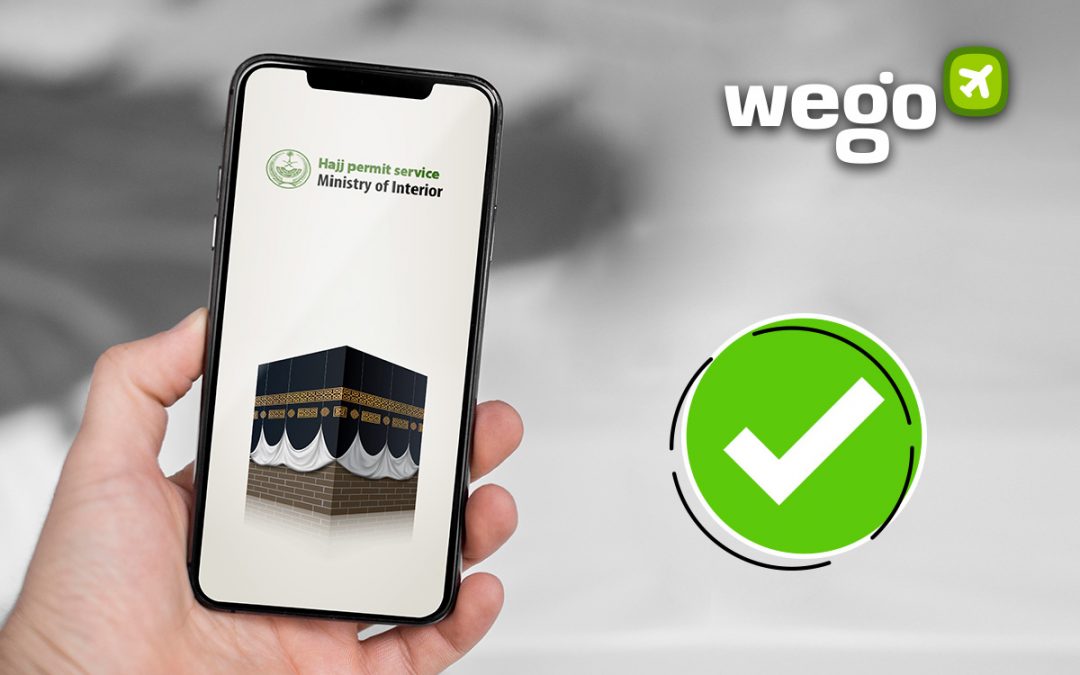
Your electronic Hajj permit appears in both the Nusuk and Tawakkalna apps before Hajj begins. This is the document Saudi security forces scan at checkpoints, and without it you will be turned away.
For a deeper look at the Makkah entry permit system (Tasreeh), who is exempt, and how to apply through Absher or Muqeem, see our dedicated guide: Makkah Entry Permit 2026 Explained.
How to apply for a Hajj permit online
All Hajj permit applications go through the Nusuk platform. The process differs slightly depending on whether you are applying from inside or outside Saudi Arabia.
For international pilgrims
International pilgrims from 126+ eligible countries must register on hajj.nusuk.sa. Registration for the 2026 season opened in July 2025, earlier than previous years.
Steps to follow:
- Visit hajj.nusuk.sa and click “Start Registration.” Select “Individual Pilgrims” and choose your country of residence.
- Upload a clear image of your passport bio page and a recent passport-style photo with a plain background.
- Enter your personal details, active email and mobile number. You will receive a verification code.
- Wait for the National Information Center to verify your identity and eligibility. Your profile will show as “Verified Pilgrim” once cleared.
- Browse available Hajj packages from authorized service providers and select one.
- Pay through the Nusuk portal. Your booking is confirmed only after payment.
Registration does not guarantee acceptance. Reservations are on a first-come, first-served basis.
For domestic pilgrims (Saudi residents and citizens)
Saudi citizens and expatriates with a valid residency permit apply through the Nusuk app or nusuk.sa. Payment is processed via the SADAD system.
Priority goes to first-time pilgrims during the initial booking window (open through the end of Shawwal). If seats remain, bookings open to others.
Eligibility requirements
Regardless of where you are applying from, you must meet these criteria:
- Minimum age of 15 years (Gregorian calendar).
- Passport valid for at least six months beyond your return date.
- For residents: a valid Iqama, with priority given to those whose residency was issued more than one year ago.
- Compliance with all health and vaccination requirements (see the vaccination section below).
Required documents
- National ID or Iqama (for residents) or valid passport (for international pilgrims).
- Recent passport-sized photo with a plain background.
- Meningitis (ACYW) vaccination certificate.
- Working email address and mobile number.
The Hajj permit itself is free of charge. You only pay for your Hajj package.
Makkah entry permit (Tasreeh) for Hajj 2026
In the weeks before Hajj, no one can enter Makkah without an official entry permit. For the 2026 season the restriction began on 13 April. This is separate from (and in addition to) your Hajj permit, and it controls physical access to the city during the Hajj season.
Who needs a Makkah entry permit
Everyone except Makkah Iqama holders. This includes expatriate residents elsewhere in Saudi Arabia, GCC nationals, Premium Residency holders, and anyone on any visa type.
Once the restriction tightens, entry and stay in Makkah is prohibited for all visa holders except Hajj visa holders. In 2026 that date was 18 April. Tourist, family visit, and business visas do not qualify for entry.
How to apply
The system is fully digital:
- Saudi citizens, GCC citizens, Premium Residency holders, investors, mothers of Saudi citizens, domestic workers, and non-Saudi family members apply through the Absher Individuals platform.
- Employees of Makkah-based establishments apply through the Muqeem portal.
No in-person visits to passport offices are needed. All permits are processed through technical integration with the Tasreeh platform.
For a full breakdown of categories, exemptions, and step-by-step application instructions, read our guide: Makkah Entry Permit 2026 Explained: Who Needs It, Who Is Exempt, and How to Avoid Being Turned Back.
How to check your Hajj permit status
Once you have applied, you can verify your Hajj permit through three official channels: the Nusuk app, the Tawakkalna app, or the Absher portal.
Our dedicated guide walks through every verification method step by step, including how to access your Nusuk Card, spot fake permits being sold on social media, and what to do if your permit is missing or rejected: Hajj Permit Check 2026: How to Verify Your Permit to Perform Hajj.
Vaccination and health requirements
Saudi Arabia requires specific vaccinations for all Hajj pilgrims, including meningitis (ACYW), polio (if from an endemic country), and COVID-19. You will not be issued a permit without meeting these health conditions.
For the full list of mandatory vaccines, validity windows, and health documentation you need, see our dedicated guide: Hajj 2026 Vaccine and Health Requirements: What Pilgrims Need to Know.
Penalties for performing Hajj without a permit
Saudi Arabia has significantly ramped up enforcement. The penalties target not just unauthorized pilgrims but also anyone who helps them.
For individuals
Attempting or performing Hajj without an official permit carries a fine of up to SAR 20,000 (approximately USD 5,300). Foreign nationals caught violating Hajj regulations face deportation and a ban on re-entering Saudi Arabia for up to 10 years.
For facilitators
The penalties are far steeper for those who enable unauthorized pilgrimages. Transporting, sheltering, or otherwise assisting unauthorized pilgrims during the restriction period carries a fine of up to SAR 100,000 (approximately USD 26,600), multiplied per person assisted.
Vehicles used for illegal transportation are subject to confiscation.
Visit visa holders
If you are in Saudi Arabia on a tourist, family visit, or business visa, you cannot enter Makkah during the Hajj season. There is no permit category for these visa types during the restriction period. Pilgrims who arrived on Umrah visas were required to leave by 18 April.
Frequently asked questions
Is the Hajj permit free?
Yes. The Hajj permit itself is issued at no cost. You only pay for your Hajj package, which covers accommodation, transport and services at the holy sites.
Can I enter Makkah on a visit or tourist visa during Hajj season?
No. During the Makkah restriction period each year, tourist, family visit, and business visa holders are prohibited from entering Makkah. Only Hajj visa holders and those with official Hajj permits can enter.
Do first-time pilgrims get priority?
Yes. For domestic pilgrims (Saudi citizens and residents), the Ministry of Hajj and Umrah gives priority to those who have not previously performed Hajj. If seats remain after the initial booking window (through the end of Shawwal), bookings open to others.
Is Umrah open now?
Yes. The 1448 AH Umrah season opened on 31 May 2026 and runs to 7 April 2027. Umrah permits pause again in the weeks before Hajj 2027.
What is the difference between a Hajj permit and a Makkah entry permit?
A Hajj permit authorizes you to perform the Hajj pilgrimage. A Makkah entry permit (Tasreeh) controls physical access to the city during the restriction period. You may need both: your Hajj permit covers the pilgrimage itself, while the Makkah entry permit ensures you can enter the city. For Hajj visa holders, the Hajj permit covers both. For residents without a Hajj booking, only the Makkah entry permit applies (if eligible).
When was Hajj 2026?
Hajj 1447 AH fell between 25 and 29 May 2026, with the Day of Arafah on 26 May and Eid al-Adha on 27 May.
Sources
- Nusuk Hajj Platform — Saudi Ministry of Hajj and Umrah
- Saudi Ministry of Hajj and Umrah — Official Portal
- Tawakkalna Portal — SDAIA
- Absher — Ministry of Interior
- Nusuk Hajj — Health Guidelines
- Saudi Ministry of Health — Hajj Health Requirements
- Ministry of Hajj and Umrah — Domestic Pilgrim Booking
- Saudi Gazette — Registration for Domestic Pilgrims Hajj 2026
- Khaleej Times — Hajj 2026 Rules: Saudi Arabia Warns of Fines for Permit Violations
- Saudi Gazette — Passports Directorate Starts Issuing Makkah Entry E-Permits
Disclaimer: Wego strives to ensure all information presented in this article is accurate and up to date at the time of publication. Travel policies, prices, visa requirements, and conditions can change rapidly. We strongly recommend verifying critical details with official sources before making travel decisions. Wego does not accept liability for any inaccuracies, oversights, or changes that may occur after publication.